Cloudflare Wallet: A First Look at cloudflare.pay
Cloudflare has opened reservations for unique Cloudflare Wallet names. Here is what cloudflare.pay does today, what it may signal, and what remains unknown.
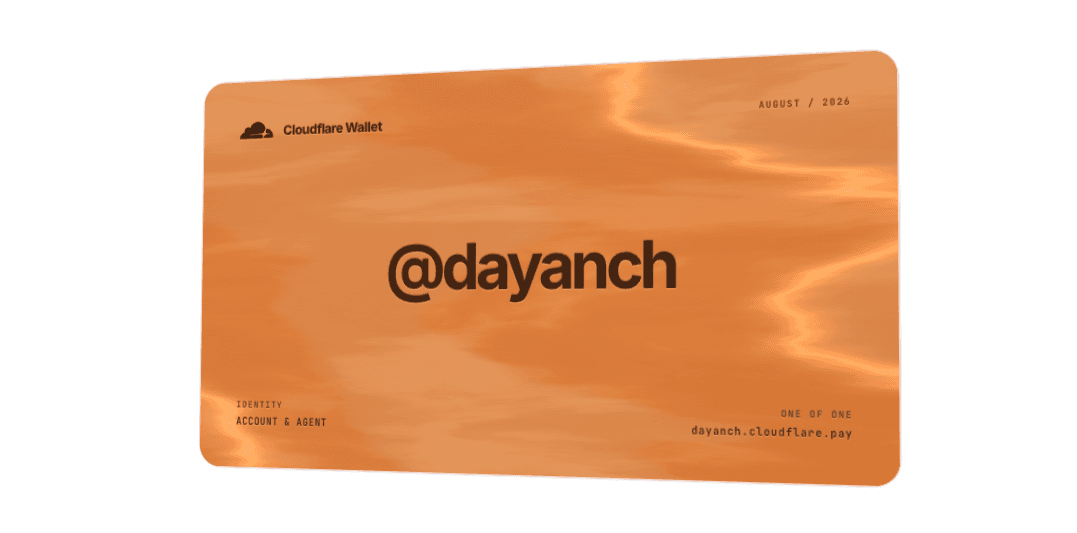
Cloudflare has quietly put a new page online at cloudflare.pay. The page introduces Cloudflare Wallet and lets you reserve a unique wallet name such as yourname.cloudflare.pay before the product launches.
That immediately raises a bigger question: is Cloudflare building a payment product, a wallet for AI agents, or a new identity layer for the Internet?
The honest answer is that Cloudflare has not published enough product documentation yet to say. But the reservation page already gives us a useful first look.
This article reflects the public page as it appeared on 5 August 2026. Cloudflare Wallet is still in a pre-launch reservation phase, so its features and terms may change.
What is available today?
The current site has one clear purpose: reserving a Cloudflare Wallet name.
You enter a name, the page checks whether it is available, and you can reserve it through your Cloudflare account. A successful reservation produces an address in this format:
yourname.cloudflare.payThe public interface also makes a few rules clear:
- Wallet names are unique.
- Each Cloudflare account can reserve one name.
- Names must be between 3 and 32 characters.
- Letters, numbers, and hyphens are accepted.
- A reservation is for the future launch; it is not yet a live wallet.
- Cloudflare may reject a reservation under its published terms.
In other words, cloudflare.pay currently behaves more like a username reservation system than a finished payment application.
Why the name matters
Wallet addresses are usually difficult to read and even harder to remember. A human-friendly name can become an identity layer on top of the technical address beneath it.
Instead of copying a long string of characters, a user or software agent could refer to something recognizable:
dayanch.cloudflare.payThe .pay domain makes the intention obvious, while the Cloudflare subdomain gives every name a shared namespace. If Cloudflare later connects these names to payment credentials or wallets, the result could make machine-to-machine payments easier to identify and route.
That is a reasonable interpretation of the design, but it is still an interpretation—not a confirmed feature.
Is this related to AI agents and x402?
Cloudflare has been working on payment infrastructure for an Internet increasingly used by software agents. Its Pay Per Crawl experiment uses HTTP 402 Payment Required to let publishers charge AI crawlers for access. Cloudflare has also announced a Monetization Gateway for charging for resources through the x402 protocol.
These projects make Cloudflare Wallet interesting. An autonomous agent needs more than permission to call an API: it may also need an identity, a way to hold or access funds, and a mechanism for approving payments.
A memorable cloudflare.pay name could eventually fit into that model. However, the reservation page does not currently confirm:
- which currencies or networks the wallet will support;
- whether it will hold funds or only point to another wallet;
- whether it will be custodial or self-custodial;
- how account recovery and private keys will work;
- which countries will be supported;
- when the product will launch;
- whether the names will integrate with x402 or Pay Per Crawl.
Until Cloudflare publishes official documentation, these points should be treated as open questions.
How to reserve a Cloudflare Wallet name
The current flow is simple:
- Visit cloudflare.pay.
- Enter the name you want.
- Wait for the availability check.
- Select Reserve if the name is available.
- Continue with your Cloudflare account and confirm the reservation.
Choose carefully: the page states that each account can reserve only one wallet name. For a personal wallet, a stable public username is probably more useful than a temporary project name. For a company, reserving the brand name early may prevent confusion later.
Remember that reserving a name does not mean the wallet is active, funded, or ready to receive payments.
Security questions to ask before using it
The most important details will arrive with the actual product. Before sending money or connecting an application, I would look for clear answers to these questions:
- Who controls the keys? This determines whether Cloudflare, the user, or an external provider ultimately controls the assets.
- How are names verified? A readable name is useful only if impersonation and account takeover are handled well.
- Can a name change its destination? If it can, applications need a safe way to detect unexpected changes.
- What are the recovery options? Recovery is essential for people, companies, and autonomous agents.
- What fees and limits apply? Payment rails can have network fees, regional limits, and compliance requirements.
For now, never send assets to a cloudflare.pay name simply because it appears reserved. Wait for Cloudflare's official launch documentation and verify the recipient through a trusted channel.
Final thoughts
Cloudflare Wallet is not a finished payment platform today. It is a pre-launch product with a public name-reservation page—and that distinction matters.
Still, the idea is worth watching. Cloudflare already sits between clients and a large part of the web. A wallet and naming layer could connect identity, authorization, and payments at the same network boundary, especially for APIs and AI agents.
The next useful signals will be official documentation, a security model, supported payment rails, and a launch date. Until then, reserving a name is easy; deciding what the product will become requires patience.